Claude or Codex? Sorting Out the Division of Labor Between Fable 5 and GPT-5.6
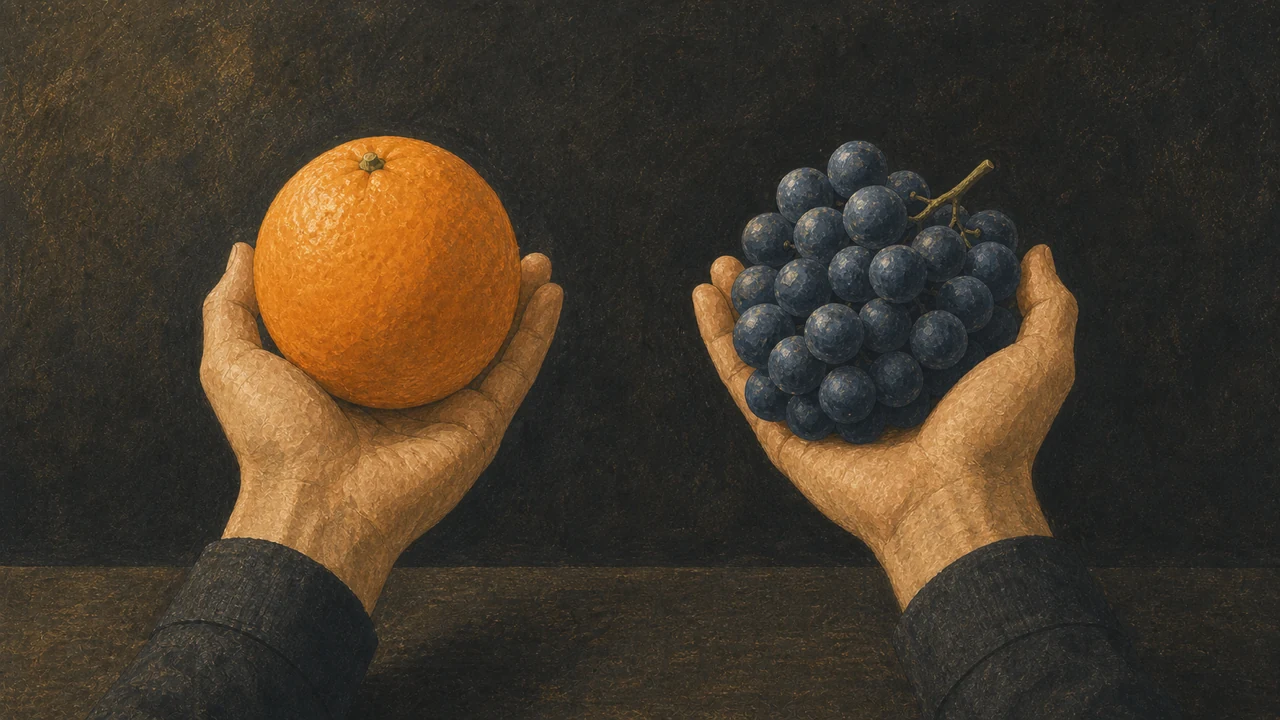
July 2026 brought Anthropic’s top Claude model, Fable 5, and OpenAI’s GPT-5.6 in quick succession, and the question of which to use for what has been a lively topic among people who use AI.
I have used both heavily over the past two weeks. This article combines the discussion among engineers online with my own experience into an account of the current division of labor, aimed at newcomers.
What Fable 5 and GPT-5.6 are
To set the scene: both are names of the newest AI models as of July 2026.
- Fable 5: Anthropic’s top Claude model. Available in the Claude chat interface and in the development tool Claude Code
- GPT-5.6: OpenAI’s newest model. Available in ChatGPT and in the developer agent Codex
People discuss these by model name, but in practice the choice is almost the same question as which family of tools — Claude’s or Codex’s — you hand a given job to. That is the sense in which this article treats it.
The rule of thumb: Claude when it is undecided, Codex when it is decided
This is the formulation that drew the most agreement in the discussion.
Fable 5 when what you are doing is still vague; GPT-5.6 when it is clear.
My own experience matches. Fable 5’s ability to read between the lines is a clear step ahead. Throw a vague idea at it in vague words and it takes the intent and gives it shape. It used to be said that the better you are at putting things into words, the better you can use AI; Fable 5 is a reliable partner at the stage before you have found the words.
Put another way: Fable 5 for zero to one, GPT-5.6 for one to a hundred. Fable 5 where something is being started from nothing, GPT-5.6 where the direction is set and the job is to build steadily.
Fable 5, though, is less faithful to instructions than inclined to run with what it thinks you want. A vague request stays vague and it charges off on its own reading of it. It is capable enough to arrive somewhere reasonable, but whether that is where you wanted to go is partly luck — an impression shared online and in my own use. When the target is clear, GPT-5.6’s greater fidelity to instructions is the safer choice.
Fable 5 is faster at design drafts
On web page and screen design, the prevailing view is that Fable 5 produces something tasteful quickly. I agree; for a first draft, Fable 5 is more likely to produce something that makes you sit up.
Both AIs share a weakness, however. Left alone, they drift toward designs that look vaguely stylish and vaguely familiar.
So if you want something distinctive, what matters is building the mechanism for handing your own preferences and rules to the AI — growing a style guide or a set of design principles. Separating what you leave to the AI’s taste from where you inject your own is likely to be the key to using AI in design.
The standard pattern: design with Claude, implement with Codex
This split is becoming established in development work.
- Work through the requirements and build the plan with Fable 5
- Hand the finished plan to GPT-5.6 (Codex) and leave the implementation to it
- When something becomes unclear during implementation, consult the Fable 5 that made the plan
Separating the thinking role from the building role raises quality without drifting from the intent. Having them review each other’s output — looking for flaws in each other’s work — is effective as a finishing step, and division of labor and mutual checking between AIs is becoming an ordinary sight in vibe coding.
In summary: learn your partner’s habits on small jobs
To summarize the current split:
- Ideas still vague, zero to one, design drafts → Fable 5 (Claude)
- Clearly defined work, one to a hundred, steady implementation → GPT-5.6 (Codex)
That said, conclusions about this differ from person to person. Take something small — a draft email, a little tool — and give the same request to both. Feeling the difference in their habits is in the end the shortest route.
At the time of writing, the period of unlimited Fable 5 use within a subscription (through 20 July, Japan time) is a topic of its own. Campaigns like that are an ideal chance to try a new model.
This article is adapted for AI Jiten from testing notes originally published on the author’s blog, Delaymania.